In this guide, you’ll see how AI image generation works in plain language and which tools actually deliver in 2026. We covered the core steps, the key models, and the best tools for art, design, text rendering, and product visuals. Short, practical, and ready to use.
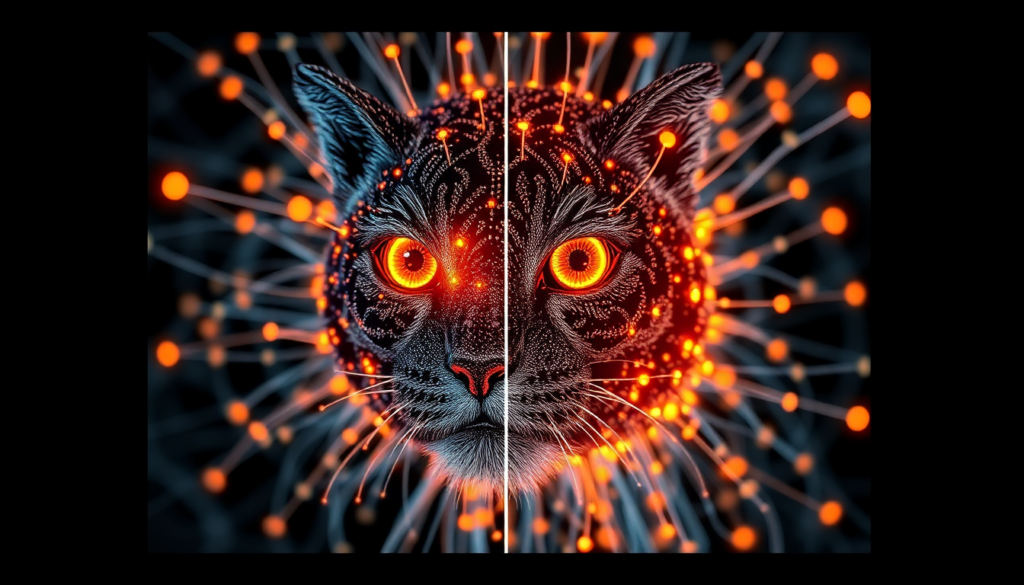
AI image generation turns words into pictures in seconds. You type a prompt, and the model transforms random noise into a full scene: a cat on a skateboard, a cyberpunk city at sunset, or a product photo with perfect lighting. In 2026, these tools are so advanced that they can render text, fix hands, and keep a character consistent across multiple images.
How It Works
- Start with noise – The AI begins with pure static, like a TV with no signal.
- Guided denoising – Over 20–50 steps, the model removes noise while matching your text prompt.
- Text encoding – Your words become numbers the model understands, connecting ideas like “sunset” or “studio lighting.”
- Cross-attention – The model checks image parts against your prompt, ensuring elements match your description.
- Post-processing – The image is upscaled, colors corrected, and artifacts removed.
Modern 2026 tools use transformer diffusion (DiT), which gives better global coherence, higher resolution, and more natural scaling.
Top Tools to Try
Midjourney
Midjourney is the style king. Images feel painterly, cinematic, and emotionally rich. It’s built for artists, concept designers, and anyone who wants stunning visuals with minimal effort.
- Best for: concept art, mood-driven visuals, artistic style
- Speed: ~20–90 seconds per grid (Fast/Turbo)
Adobe Firefly
Adobe + generative AI is the designer’s playground. Firefly excels in creative control, lighting, color, aspect ratio, and blending with real images. Perfect for polished, professional workflows.
- Best for: design, marketing, branded content, editable visuals
- Features: text-to-image, image-to-image, generative fill
Ideogram
Ideogram is the text specialist. If you need posters, social graphics, or mockups with clean, readable text inside the image, this is one of the strongest tools in 2026.
- Best for: posters, typography, mockups, social graphics
- Features: style, color palette, aspect ratio controls
Imagen 4 / Google Imagen
Imagen from Google is the speed + product photo champ. Extremely fast and produces clean, photorealistic product images with professional lighting by default.
- Best for: product mockups, commercial visuals, fast iteration
- Speed: ~15–45 seconds for Gen/Fast
Stable Diffusion
Stable Diffusion is the open powerhouse. Open-weights, customizable, and ideal for building your own workflows, training custom models, or running image generation locally.
- Best for: power users, custom models, local generation, experiments
- Variants: SD3, Flux.1, community models
Flux.1
Flux.1 is a next-gen open-weights model from Black Forest Labs with incredible detail and prompt understanding. LoRA-friendly and scales beautifully at high resolution.
Why This Matters
AI image generation is not just about pretty pictures. It’s about speed, creativity, and iteration:
- Draft concept art in seconds
- Test color palettes and styles
- Create social content without photoshoots
- Build mockups for products and campaigns
- Explore ideas visually before investing time or money